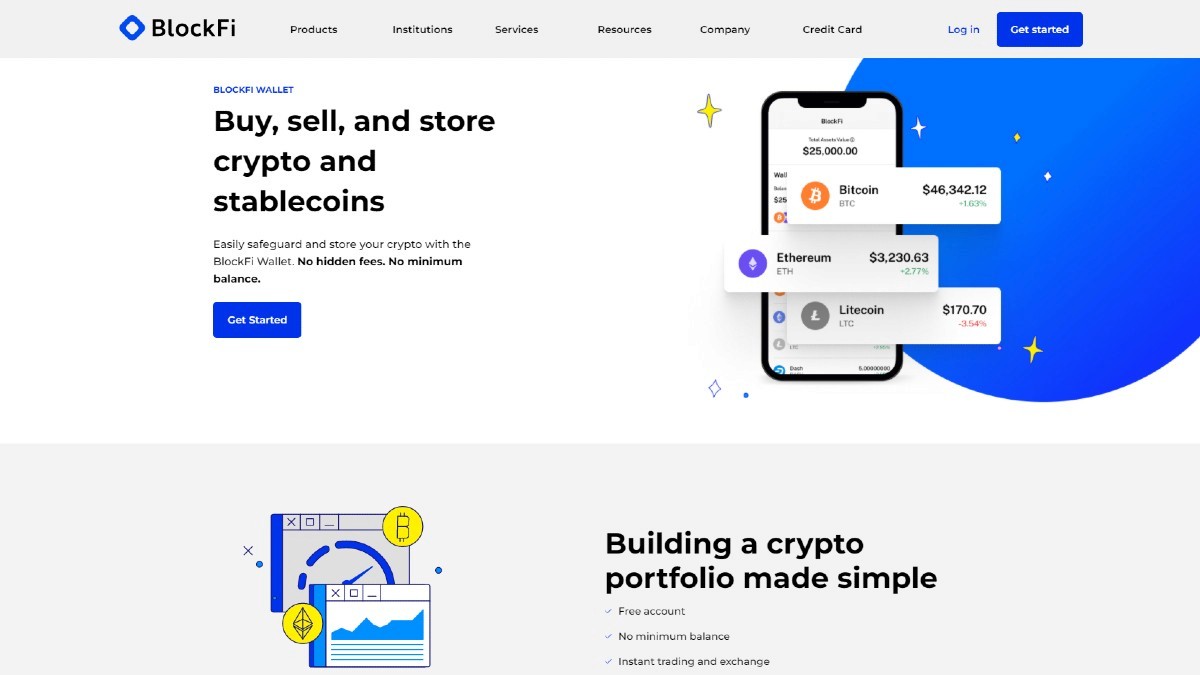
Blokifi Login: A Fresh 1200-Word Comprehensive Guide
Logging into your Blokifi account is more than a quick step—it is the gateway to managing your assets, monitoring activity, and customizing your digital finance environment. While the login page looks simple at first glance, it represents a crucial barrier that protects your account against unauthorized access. Understanding how to log in securely, how the system works, and how to prevent common issues ensures that every session remains smooth and safe.
This guide offers a full explanation of the Blokifi login process, from preparing your credentials to navigating your dashboard after signing in.
1. The Purpose of the Blokifi Login System
The login system acts as the first and most essential layer of defense. The moment a user enters their credentials, the platform verifies identity, confirms that the session is legitimate, and allows access only when the provided information matches what is stored in the system. Because digital assets are extremely sensitive, strong login protection is required.
Through the login gateway, you gain access to your portfolio, your personal settings, and your account activity. For this reason, understanding how the login environment works is a key part of using the platform responsibly.
2. Preparing Your Account Before Logging In
Before reaching the login page for regular use, you must complete your initial account setup. This simple process establishes your identity and helps the system recognize you each time you sign in.
Creating a Secure Password
Choosing a password is one of the most important steps. A secure password should be:
Difficult to guess
Unique to this platform
Difficult to relate to your personal information
Long enough to provide meaningful protection
Creating a complex password discourages unauthorized entry and reduces your overall risk.
Setting Up Security Measures
Blokifi offers additional verification options. Activating features like one-time passcodes or app-based authentication adds another checkpoint that only the account owner can pass. These settings enhance your login security and help protect your funds.
Organizing Your Credentials
Users should store their login information somewhere safe and avoid recording passwords in unsecured files. Password managers are reliable tools that create, save, and encrypt login credentials.
When these preparatory steps are handled correctly, your login process becomes faster and more secure.
3. How to Log In to Your Blokifi Account
Knowing the proper login process helps reduce mistakes and ensures that every session starts smoothly. The login flow typically includes the following steps:
Step 1: Navigate to the Login Page
Begin by opening the login screen on your preferred device. The interface is designed to be straightforward and easy to identify.
Step 2: Enter Your Email or Username
The first input box usually requires your registered account detail. This may be the email address you used during sign-up or a chosen username.
Step 3: Provide Your Password
Input your password with care. Since passwords are case-sensitive, small typing errors can prevent access. If you’re using a touch device, double-check that you’re pressing the intended keys.
Step 4: Complete Extra Security Checks (If Enabled)
Two-step verification or other authentication tools may prompt you for a one-time code. This code is typically time-limited and must be entered before it expires.
Step 5: Access Your Dashboard
Once your identity is confirmed, the system will direct you to your personal account dashboard. This is where you can explore your balances, review recent actions, and adjust any settings.
The login sequence is designed to be both intuitive and protective, ensuring that every account is accessed by its rightful owner.
4. A Look at the Dashboard After You Log In
Your dashboard functions as the center of your digital activity. Its structure is designed to help you manage your account efficiently.
Asset Overview
This area provides a real-time snapshot of your holdings, showing current values and distribution patterns. It helps you understand the overall shape of your portfolio.
Recent Activity Tracker
All recent actions—transfers, deposits, withdrawals, or system notifications—are listed here. Reviewing this section regularly helps ensure that every action taken aligns with your expectations.
Security Controls
Within the dashboard, you can update your password, modify your authentication settings, or review the list of devices that have logged into your account. This area is important for maintaining long-term account safety.
Preference Settings
Users can adjust alerts, personalize parts of the interface, and update account information as needed.
Being familiar with the dashboard ultimately makes every login session more productive.
5. Login Issues and How to Resolve Them
Even with a user-friendly system, issues can occasionally arise. Understanding common login difficulties will help you resolve them quickly.
Password Not Accepted
If your password is rejected, consider the following possibilities:
You typed a character incorrectly
Caps lock is on
You recently changed your password and forgot the new one
If needed, use the password reset option to create a new secure password.
Two-Factor Authentication Problems
If your authentication code does not work:
Check that your mobile device’s clock is accurate
Restart your authentication app
Try entering the code immediately after generating it
Account Not Recognized
Double-check your spelling and ensure that you’re using the same email or username created during registration.
Login Page Not Loading Properly
This can be caused by:
Slow or unstable internet
Outdated browser
Device caching issues
Refreshing the page or switching devices often resolves this quickly.
By understanding these issues, users can regain access to their accounts with minimal frustration.
6. Best Practices to Strengthen Your Login Security
A login system is only as strong as the habits of the person using it. Here are practical steps to improve your account protection:
Set Unique Passwords
Avoid repeating passwords across multiple accounts. If another platform is compromised, repeated passwords put your account at risk.
Monitor Device Activity
Reviewing the list of devices accessing your account helps you detect unusual activity. Remove unfamiliar devices immediately.
Sign Out on Shared Devices
Leaving your account logged in can expose your information. Always sign out manually on public or shared computers.
Update Your Security Information Regularly
Periodically refreshing your password and reviewing security settings strengthens your account’s long-term safety.
Avoid Suspicious Messages
Never enter your login details on unofficial pages or through messages claiming urgent action.
Adopting these best practices significantly enhances your account stability and safety.
7. Why Login Security Is Important in Digital Finance
Because digital finance platforms handle sensitive information, the login system plays a central role in protecting user data. Without strong login protection, unauthorized individuals could access your balance, your transactions, and your personal information.
The login system ensures that:
All access attempts are verified
User information remains confidential
Assets stay under your control
This makes the login process a fundamental part of account management.
8. Tips for a More Efficient Login Experience
Regular users can benefit from making their login routine more efficient. Here are easy ways to make daily sign-ins smoother:
Use trusted devices
Keep your authentication device nearby
Store your credentials securely
Ensure your device software is up to date
Clear outdated browser data occasionally
These small habits help maintain a consistent and trouble-free login experience.
9. Final Thoughts
The Blokifi login system provides a structured and protective pathway into your account. Whether you log in daily or occasionally, knowing how to navigate the login environment is essential. By creating strong credentials, enabling additional security features, and understanding common login challenges, you can confidently manage your account at all times.
A secure and smooth login experience sets the tone for all your platform interactions. When you combine good personal security habits with the platform’s protective tools, you create a safer, more efficient environment for managing your digital assets.